

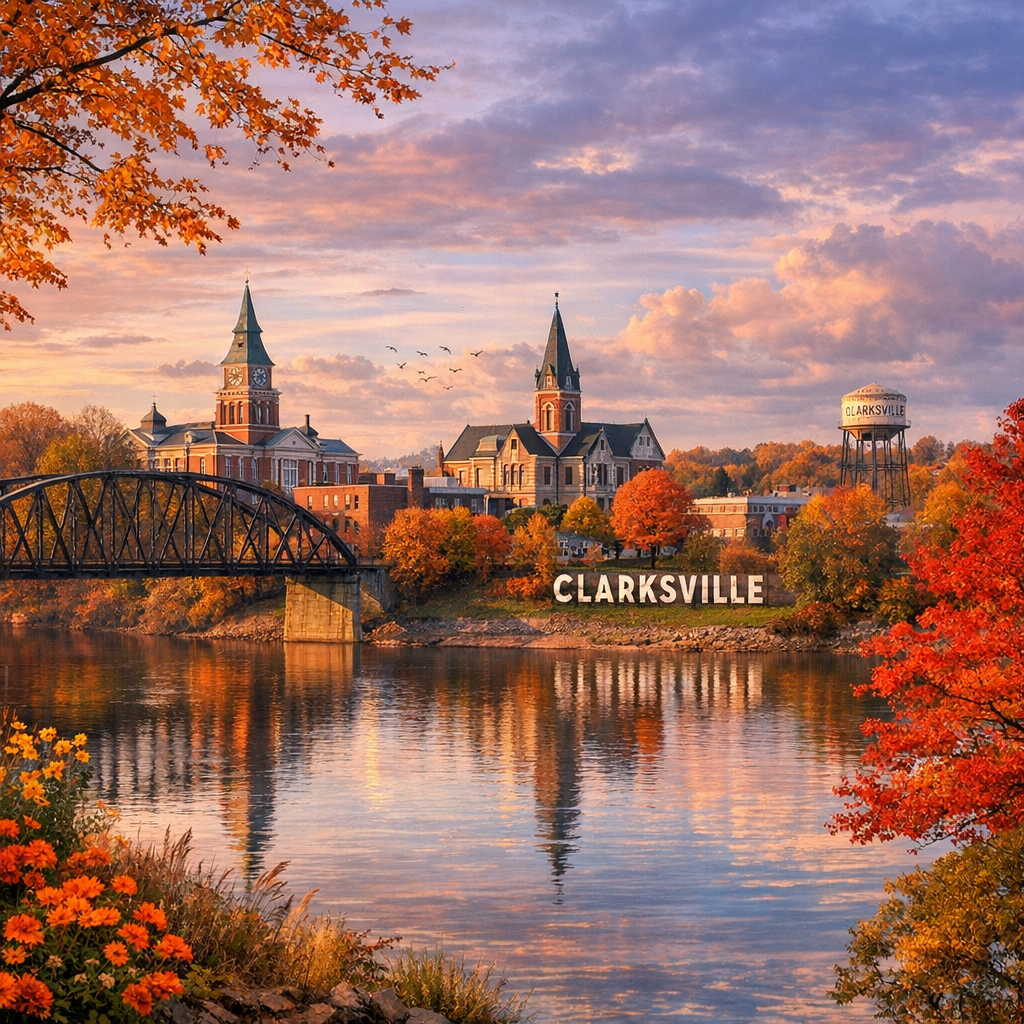
Clarksville, Tennessee, experiences a humid subtropical climate, characterized by hot, humid summers and mild to cool winters. This climate offers residents and visitors a diverse range of weather conditions throughout the year.
Seasonal Weather Patterns
Spring (March to May)
Spring in Clarksville brings gradually warming temperatures and increased rainfall. Average high temperatures rise from the upper 50s in March to the upper 70s by May. This season is marked by blooming flora and is ideal for outdoor activities.
Summer (June to August)
Summers are typically hot and humid, with average high temperatures in the upper 80s to low 90s. July is often the warmest month, averaging a high of 89°F. Thunderstorms are common, providing brief respites from the heat.
Fall (September to November)
Autumn sees a gradual cooling, with highs dropping from the low 80s in September to the upper 50s by November. The season is characterized by vibrant foliage and more comfortable humidity levels.
Winter (December to February)
Winters are generally mild, with average highs in the mid-40s to low 50s. January is typically the coldest month, with average lows around 30°F. Snowfall is infrequent, averaging about 3 inches annually.
Environmental Considerations
Clarksville’s climate and urban development have led to certain environmental challenges. For instance, the city experiences the Urban Heat Island effect, where developed areas become significantly warmer than surrounding rural regions. This phenomenon is due to heat absorption by roads, buildings, and other infrastructure. Efforts are underway to mitigate this effect through increased tree planting and green space development.
Additionally, during periods of warm and dry weather, the city has encountered taste and odor issues in tap water caused by naturally occurring algae blooms in the Cumberland River. While these issues are aesthetic and do not pose health risks, they highlight the importance of monitoring and managing local water quality.
Understanding Clarksville’s climate and its environmental implications is essential for residents and visitors to make informed decisions and contribute to the community’s well-being.